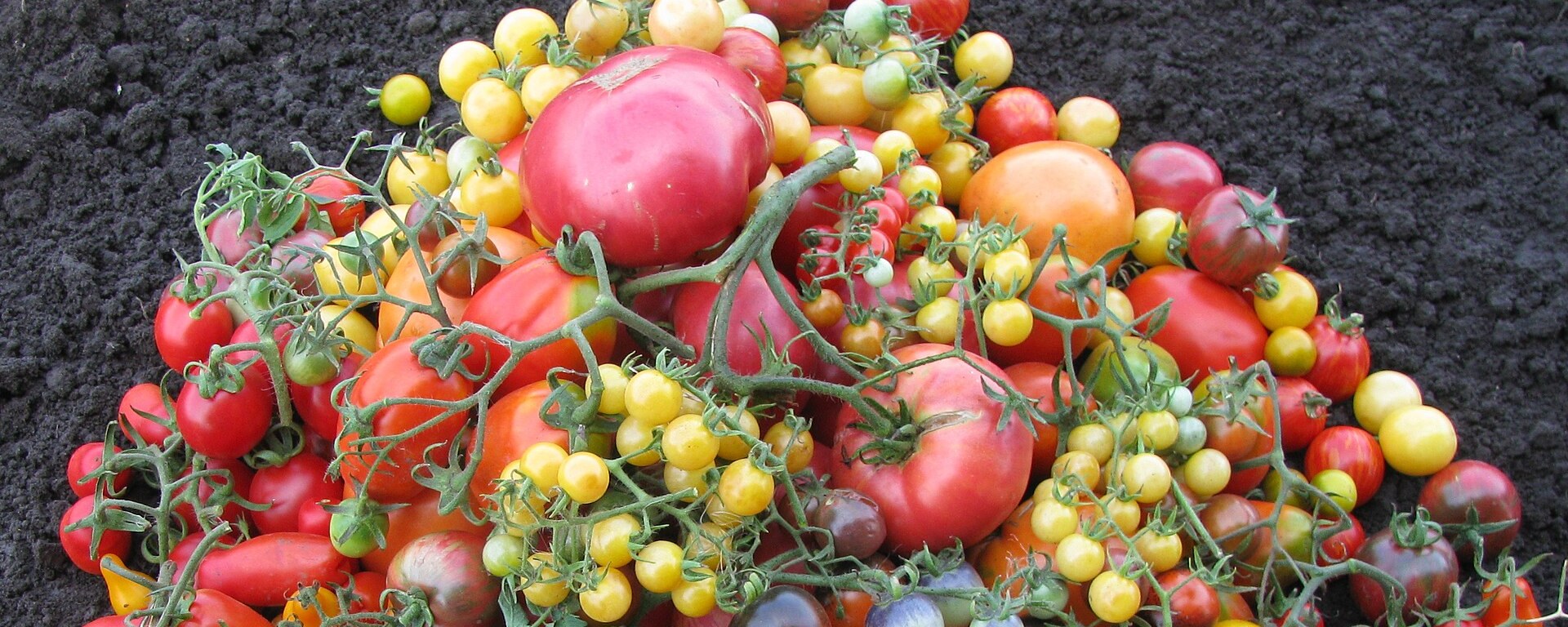

How TomatoScout works
There are thousands of tomato varieties, and choosing between them can be surprisingly difficult.
Seed catalogues are great at telling you why a tomato is worth growing. TomatoScout is designed to help you work out which tomatoes might be right for you.
It brings together researched variety information with structured reviews from people who have actually grown the tomatoes, then lets you explore varieties around the things you care about.
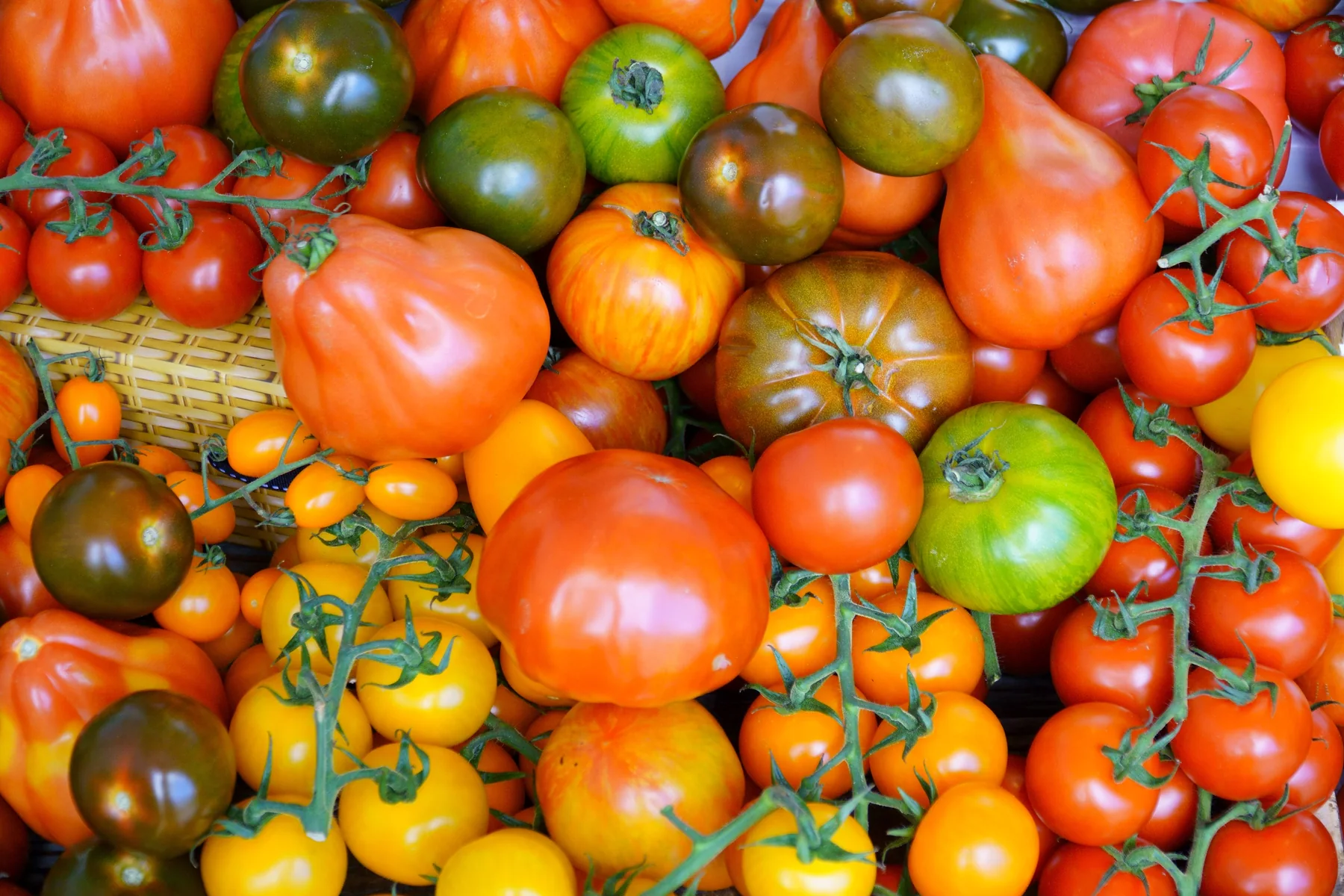
Find tomatoes that fit you
Tell TomatoScout what you're looking for — from fruit type, colour and shape to flavour, growing conditions and the characteristics that matter most to you.
You can make something a Must when it is essential or a Preference when you would simply favour it.
Must choices narrow the field to varieties that meet your requirements. Your other preferences and priorities then help TomatoScout rank the suitable varieties.
If you don't specify any preferences, TomatoScout doesn't pretend that one tomato is inherently a better match than another.
What does Match mean?
A TomatoScout Match is personal to your search.
It isn't a universal score for the variety and it isn't a claim that one tomato is objectively better than another.
Match reflects how well a variety fits the preferences, priorities and growing conditions you've given TomatoScout.
Where shown, Confidence helps indicate how much useful information is available to support that recommendation.
A strong Match still isn't a guarantee. Tomatoes are living plants, and weather, location, growing method, disease, seed quality and individual taste can all affect the experience.
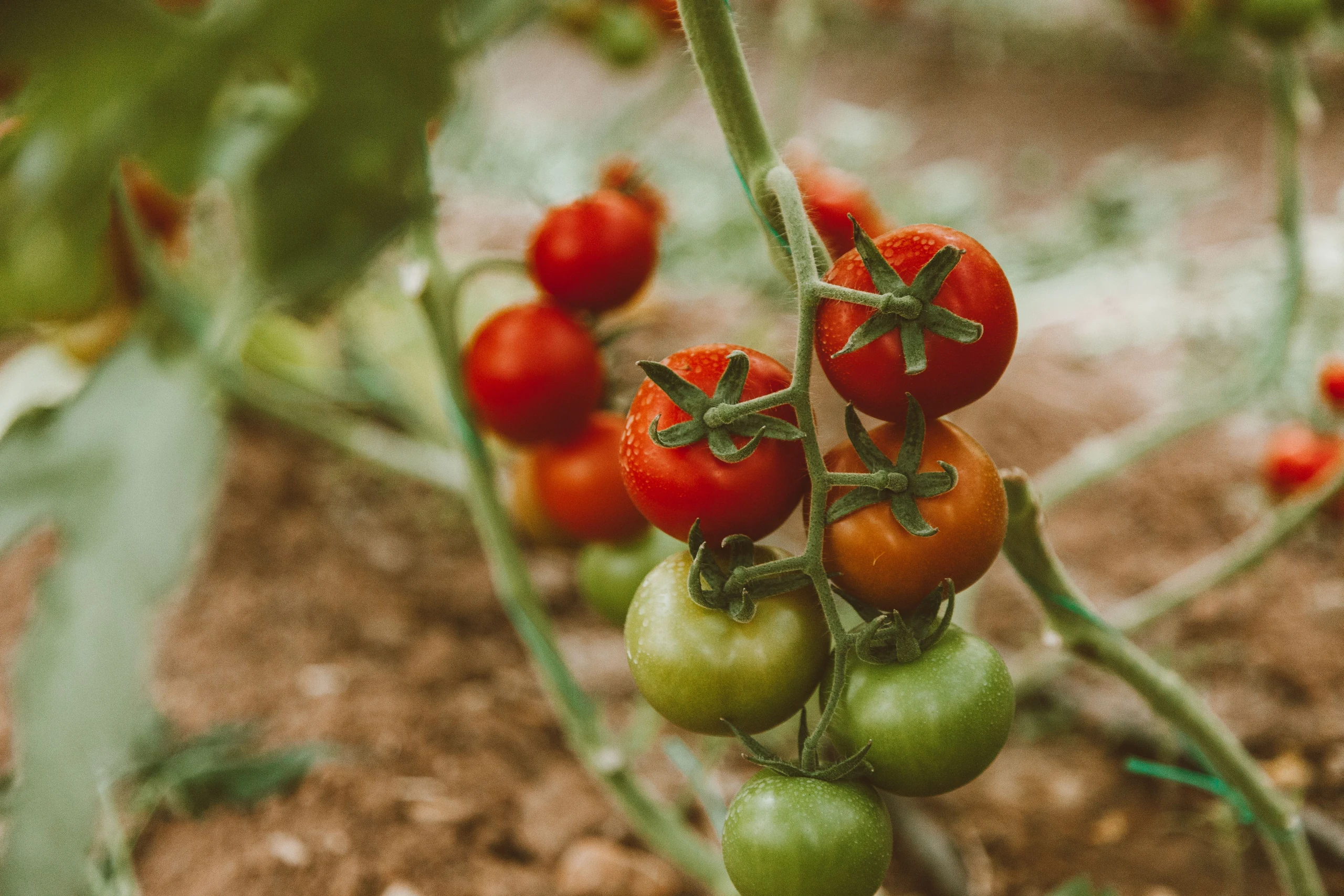
Researched information + real growers
TomatoScout brings together two different kinds of evidence — and keeps them distinct.
Researched variety information
The core variety information is researched from available sources and organised into a consistent set of characteristics so varieties can be searched and compared meaningfully.
Sources don't always agree, and tomato characteristics can vary with growing conditions, so the database will continue to be checked, corrected and improved.
Grower evidence
Reviews that tell you more
A rating is useful. Knowing why somebody rated a tomato that way is much more useful.
TomatoScout reviews are designed to capture what growing and eating a variety was actually like.
Growers can rate the tomato overall and its flavour, but they can also share things such as:
- sweetness, acidity and flavour intensity
- flavour characteristics
- productivity
- cracking
- whether they'd grow it again
- useful observations from the growing season
And where available, TomatoScout keeps the growing context with the review.
A tomato grown outdoors in northern England hasn't had the same experience as one grown in a greenhouse or in a much warmer climate. Knowing something about where and how it was grown makes another grower's experience far more meaningful.
As more growers review the same varieties, TomatoScout can build a richer picture of how they perform and taste in different conditions.
Community ratings, reviews and observations remain clearly identified as grower evidence. They don't overwrite the researched variety information.
Why both matter
Research can tell you what a variety is expected to be like.
Growers can tell you what actually happened.
Neither is perfect on its own. Bringing the two together — while being clear about which is which — is a big part of what TomatoScout is for.
More varieties are coming
TomatoScout is launching with a carefully researched collection of tomato varieties rather than trying to include everything from day one.
Many more varieties are already being prepared and will be added as their information is checked and standardised.
The aim is to grow the collection without sacrificing the usefulness of the information behind it.
So if a tomato you grow isn't here yet, it doesn't mean it has been forgotten.
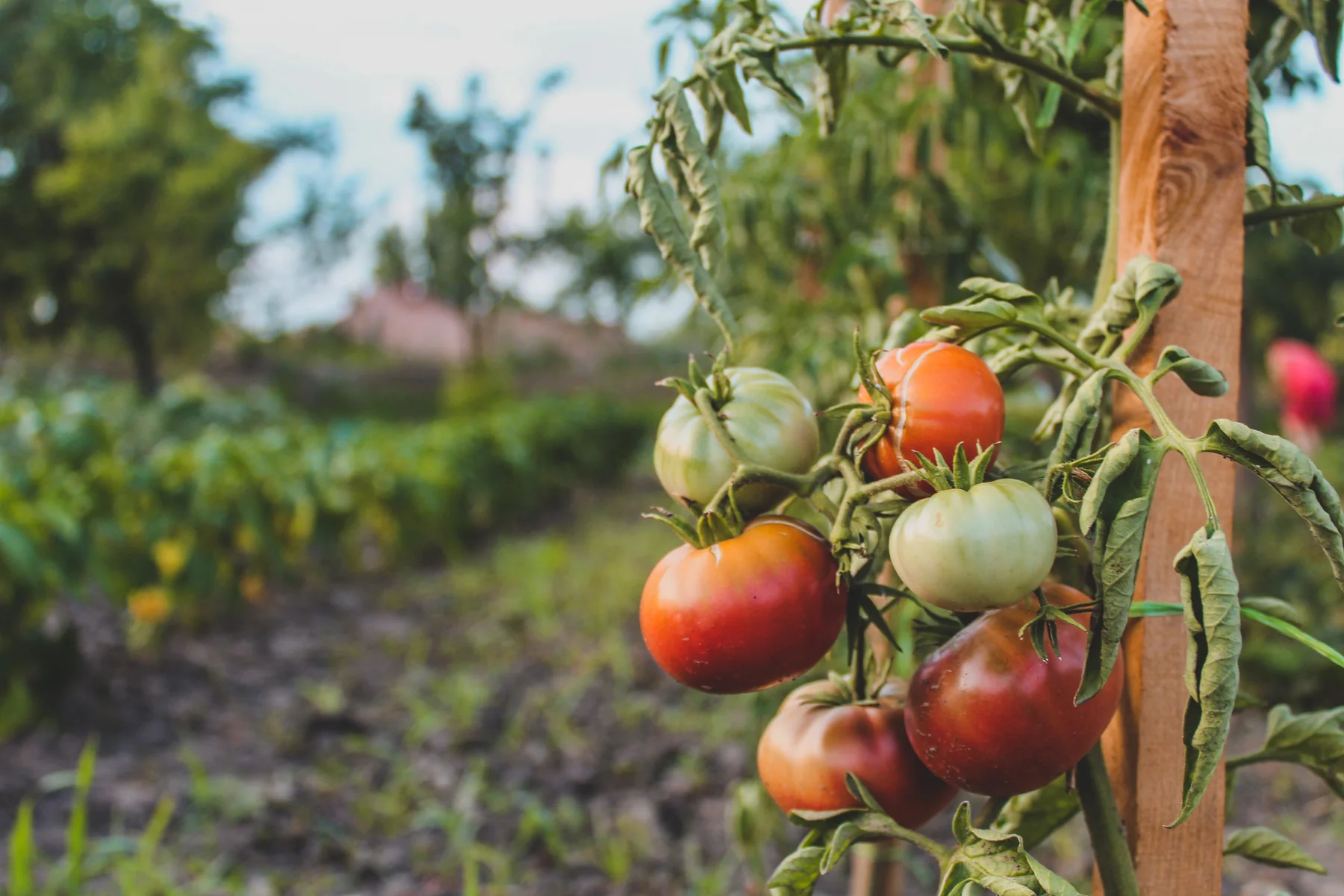
Help build the grower evidence
If you've grown a tomato that's on TomatoScout, your experience can help the next person deciding whether to grow it.
You can:
- rate and review tomatoes you've grown
- describe their flavour and eating qualities
- record useful growing and performance observations
- contribute photographs
- suggest corrections to variety information
You don't need to be an expert. A genuine growing experience — including one where a tomato didn't perform particularly well — can be useful evidence.
The more growers contribute, the more useful TomatoScout can become.
Contribution points and badges
You earn 1 contribution point for each published review, approved photograph, and accepted correction or variety suggestion. Recording a grow, saving a tomato and saving a search don't earn points, and anything still waiting for moderation only counts once it's accepted.
As your contribution points grow, you unlock badges:
- Seed · 1 point
- Seedling · 5 points
- Grower · 10 points
- Cultivator · 25 points
- Expert · 50 points
- Master · 100 points
- Legend · 250 points
Corrections to existing variety information can be suggested directly from that variety's page.
Spotted something that doesn't look right? Know a variety you think should be included? Have an idea that would make TomatoScout better?
I'd genuinely like to hear it.
Contact: hello@tomatoscout.com
Start scouting
You don't need an account just to explore.
Tell TomatoScout what matters to you and see which varieties fit.